We are going to write a program, a bit program, lots of stuff happening here and there, ok, big program. Now, lots of threads of course, loads and loads of them, we have to synchronize, yes we do, I think so, yeah, synchronize very important stuff, good idea, but, why? Remember what we have been taught in school? That mutex thing? Mutual Exclusive? That 2 threads are trying to read and write some mutual value at the same time and create a big mess?
Why we stopped using dagger
And some thoughts

I decided to stop using Dagger2 in our company’s android project. Why? Don’t get me wrong, Dagger2 is still great. But though it is great, it is complex. Lots of concepts to wrap our heads around. What is a component, what is a module, what is the difference between subcomponent and dependency component, etc. In order to use it properly, we need to anwser all that questions, even you think you understand it, you still run into suprises now and then.
I purchased the pre-order Hand Made Hero game. I think it’s great value for learning, there is this super awesome guy who has tons of experience talking to you at least 1 hour per day for over a year. And it cost only $15. I must have lost my mind if I missed this. Two interesting observations: This guy is against OOP This guy prefers C to C++ This kind of “against C++ and OOP and all kind of complex nonsense shit” thing (this and this) hit me several times and I really like to know about their argument.
An Android version of the iMessage voice note recorder
An open source Android library
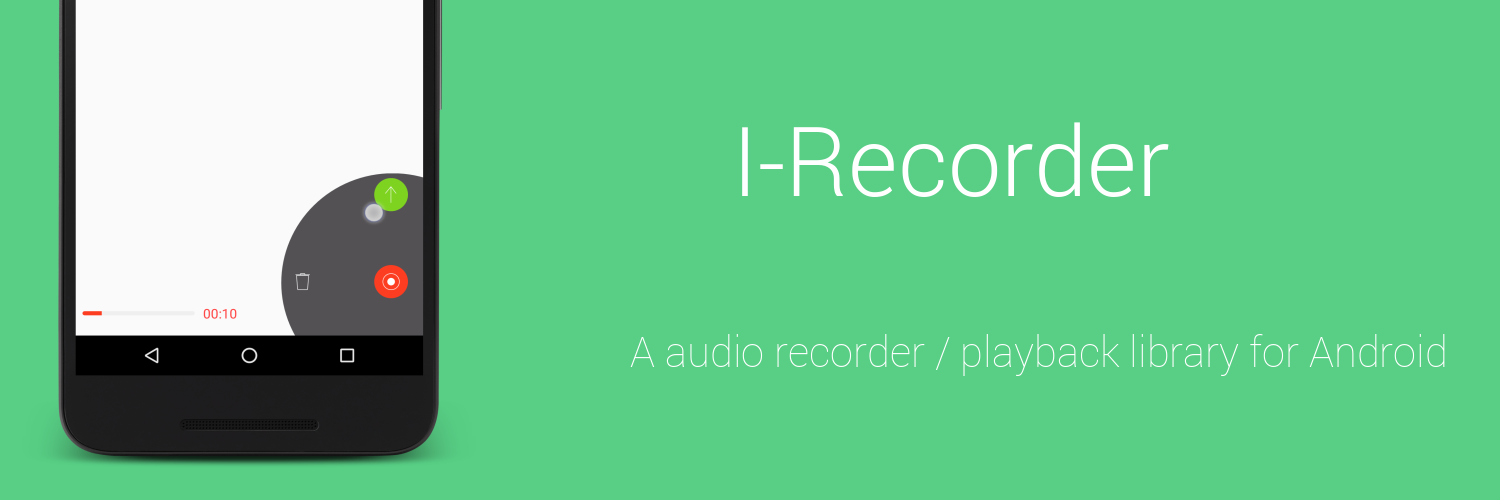
I created a copy of the voice recorder in the iMessage app for android and made a library out of it. Check it out here!
In this post, we will define what is a transducer. First, let’s take a closer look at map. (map inc [1 2 3]) A straightforward way to explain what has happened is this: Increment each item by one in a list. At first thought, this sounds like one step operation. Now let’s change the requirement a bit. We want to increment each element by one and then sum them together.